
By: GlobalNeurology®
Ebola 2026: Delayed Response and the Importance of Disease Surveillance
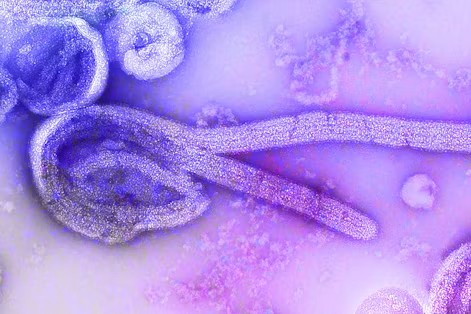
The current Ebola outbreak centered in the Democratic Republic of Congo and extending into Uganda and neighboring regions has emerged as one of the most serious global infectious disease threats of 2026. The outbreak involves the Bundibugyo strain, a comparatively rare variant with no fully approved vaccines or highly effective targeted therapies. As of May 2026, the World Health Organization (WHO) acknowledged hundreds of suspected cases and deaths, while warning that the true magnitude may be substantially underreported due to weak surveillance infrastructure, regional conflict, and limited diagnostic capacity. WHO finally elevated the outbreak to a Public Health Emergency of International Concern (PHEIC).
There are serious concerns regarding WHO’s delayed recognition and response. Reports indicate that warning signs (unexplained hemorrhagic deaths, infections among healthcare workers, chains of community transmission) were present before international acknowledgment of the outbreak. It appears that bureaucratic delays, political considerations, and overreliance on incomplete official reporting contributed to failures in early containment, and by early June 2026 the cases continued to escalate with over 500 confirmed and hundreds more suspected cases (according to DRC and Ugandan Ministries of Health).
These concerns are reminiscent of WHO’s failures during the critical early stages of the SARS-CoV-2 outbreak in late 2019 and early 2020, including repeatedly echoing the Chinese authorities’ false claims that the outbreak originated from a wet market, and that there was no evidence of sustained human-to-human transmission. These claims were never substantiated and failed to comport with contemporaneous actions undertaken by Chinese authorities. For example, China expedited outbound international flights while banning domestic travel, engaged in large scale procurement and hoarding of personal protective equipment while simultaneously claiming the outbreak was under control, and aggressively opposed international investigations.
Subsequent investigations and multiple intelligence assessments (including FBI, CIA, and DOE) increasingly recognized the likelihood that Covid-19 was created by gain-of-function experiments conducted at the Wuhan Institute of Virology. There remain significant questions regarding the circumstances under which the virus escaped containment, particularly whether the release resulted from negligence or intentional misconduct.
WHO failed to advocate for more aggressive international containment measures during a critical early window when global spread could have been substantially reduced. The acceptance of claims denying transmissibility and the absence of immediate containment measures contributed to worldwide dissemination of SARS-CoV-2, resulting in millions of deaths and unprecedented economic disruption. The current Ebola response appears to reflect some of the same institutional weaknesses observed during Covid-19.
The recurring challenge is that large bureaucratic systems can be slow to recognize and communicate emerging threats when information is incomplete, politically sensitive, or rapidly evolving.
In this context, nongovernmental organizations and independent monitoring networks have become increasingly important components of global health surveillance. Organizations such as GlobalNeurology®, which maintains Special Consultative Status with the United Nations ECOSOC, serve as valuable supplementary systems for international alerts, independent monitoring, field reporting, and rapid dissemination of emerging health concerns. By operating outside traditional governmental structures, these organizations possess greater flexibility to identify patterns, communicate concerns quickly, and encourage transparency when official institutions respond slowly or become constrained by political considerations.
The current Ebola outbreak underscores the continuing importance of rapid detection, transparent reporting, and independent analysis of emerging infectious threats. While international organizations remain central to global health coordination, nongovernmental monitoring networks and independent scientific organizations provide essential safeguards against future global health failures. A resilient global surveillance system depends not upon any single institution, but upon multiple independent sources capable of identifying emerging risks and communicating them rapidly to the international community.